

Physical Therapy for Degenerative Disc Disease: The Exercises That Helped Me Trust My Body Again
- Apr 11, 2025
- 11 min read
Updated: May 19

When I was diagnosed with severe degenerative disc disease, I did what most people do after hearing frightening words about their spine. I spiraled.
I imagined my body getting worse. I imagined a future where every movement came with consequences. I imagined becoming smaller, more careful, more limited, and less myself.
That is one of the cruelest parts of chronic back pain. It does not just hurt your body. It starts negotiating with your imagination.
You stop asking, “What do I want to do today?” and start asking, “What will this cost me later?”
Physical therapy was the first place where that fear began to loosen its grip.
My physical therapist did not promise me a miracle. He did not tell me my degenerative disc disease would disappear.
Physical therapy helped me understand that my spine was vulnerable, irritated, and under-supported, but not beyond help. It did not need me to fear every movement. It needed strength, patience, and a body willing to learn a new way forward.
Can Physical Therapy Help Degenerative Disc Disease?
For many people, physical therapy can be one of the most helpful non-surgical tools for managing degenerative disc disease. Cleveland Clinic lists physical therapy, stretching, and low-impact movement such as walking or swimming as common ways to manage degenerative disk disease symptoms.
That does not mean physical therapy reverses disc degeneration. It means it may help the body function better around it.
That distinction matters.
I did not need someone to sell me false hope.
I needed someone to help me understand what was still possible.
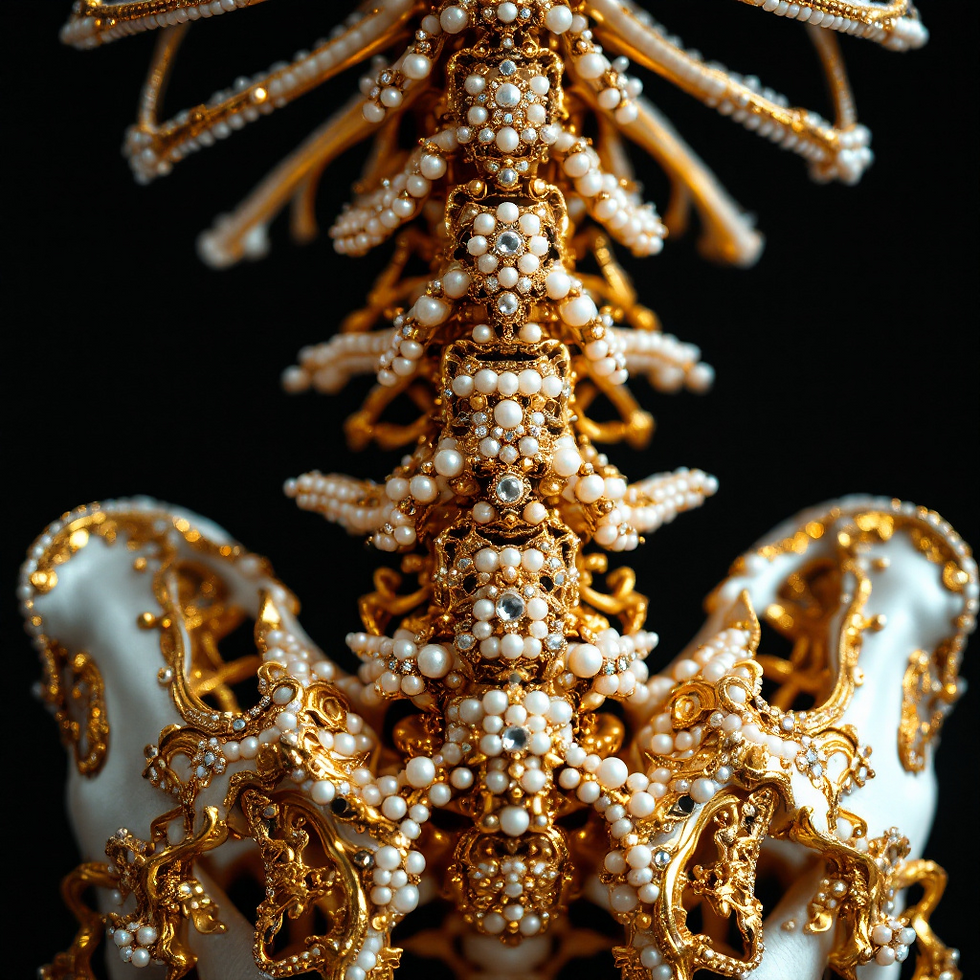
Physical therapy helped me reduce fear, rebuild strength, improve stability, and learn how to move without treating my spine like a fragile antique that might shatter if I breathed wrong.
My First Physical Therapy Appointment After My Diagnosis
My physical therapist was the first medical practitioner who made me feel like there was a path forward.
He looked at my X-rays. He watched how I moved. He tested my strength. He had me bend, lift, brace, breathe, and move my legs in ways that made it very clear my body had been compensating for a long time.
Then he said something that changed the way I thought about my pain.
My lower back was doing too much.
It was not just that my discs were degenerating. It was that my back had become the overworked employee of my entire body. My core was not doing enough. My glutes were not doing enough. My hips were not doing enough. My breathing was shallow. My movement patterns were guarded.
My spine needed a team.
That became the foundation of my recovery.
The “Weak Ass” Moment That Changed Everything
During that first appointment, we discovered that the left side of my body — the side that hurt — was significantly weaker than my right side.
It also became painfully obvious that while I was thin, my core and glute muscles were not strong.
So I asked him directly:
“Do I have a weak ass?”
He laughed and said he could not say that as a medical professional, but if the description fit…
Honestly, never underestimate the healing power of laughing in a room where you expected to cry.
That moment helped me reframe my pain. I was not doomed. I was under-supported. There is a difference.
A weak muscle can be strengthened.
A fearful body can be taught safety.
A painful movement pattern can be rebuilt.
Why Core Strength Matters for Degenerative Disc Disease
Before physical therapy, I thought core strength meant having visible abs. I was wrong.
Core strength is not about looking toned in leggings. It is about support. Your core helps stabilize your spine, protect your lower back, and distribute movement through your body instead of forcing one painful area to absorb everything.
Mayo Clinic notes that back exercises can help stretch and strengthen the back and the muscles that support it. That support became the whole point for me.
My goal was not to punish my body into fitness. It was to teach my body how to share the load.
That shift changed everything.
Why Glute Strength Helped My Lower Back Pain
My glutes were another missing piece.
When your glutes are weak, your lower back may start compensating during everyday movements like walking, standing, bending, climbing stairs, and lifting. For me, strengthening my glutes helped my body feel more stable and less vulnerable.
This was not about building a perfect body.
This was about building a body I could trust.
Glute bridges, modified planks, controlled core exercises, and gentle stretching became part of how I taught my lower back that it did not have to carry everything by itself.
Learning to Breathe Again
One of the most surprising parts of physical therapy was learning how to breathe.
That sounds ridiculous until you have lived in a body clenched by pain.
I had been bracing constantly. My breath was shallow. My muscles were guarded. My lower back was gripping like it was trying to protect me from every possible threat.
My physical therapist taught me how to breathe deeply, engage my core, and move from a place of support instead of fear.
Cleveland Clinic’s lower back exercise guidance also emphasizes listening to your body, backing off when pain worsens, and using deep breathing before stretching or exercise.
For me, breath was the doorway back into my body.
My 15–20 Minute Physical Therapy Routine
My physical therapist gave me a 15–20 minute daily routine focused on core strength, glute strength, hip mobility, and safer movement. I share the specific exercises below.
I did the routine consistently, with no cinematic wellness glow and no matching-set transformation montage. Fear had made my world smaller, and those fifteen minutes became my way of pushing the walls back. I wanted to hike again, play with my kids, and keep degenerative disc disease from swallowing the rest of the book.
After about 3 months of daily exercises, I started noticing real changes. My pain did not disappear overnight, but my body felt more supported. I felt less fragile and moved with more confidence.
A Safety Note Before You Try Any Exercise
This is what helped me, but degenerative disc disease looks different for everyone.
Some people have disc degeneration with little or no pain. Others have severe pain, nerve symptoms, weakness, numbness, tingling, or sciatica-like symptoms.
If an exercise increases your pain, causes radiating symptoms, or makes you feel worse afterward, stop and talk to a qualified physical therapist or medical provider.
In other words: do not let an internet article bully you into overriding your body.
Start slow. Modify. Pay attention. Get help when you need it.
Beginner Physical Therapy Exercises for Degenerative Disc Disease
These are the exercises I would start with before jumping into harder core work.
1. Diaphragmatic Breathing with Core Engagement
This is where I would begin.
Lie on your back with your knees bent. Breathe deeply into your ribs and belly. As you exhale, gently engage your lower core as if you are preparing to move with support.
This is not flashy. But for me, it was foundational.
I had to learn how to stop gripping through my back and start connecting to my core.
2. Pelvic Tilts
Pelvic tilts are a gentle way to reconnect with your lower core and spine position.
Lie on your back with your knees bent and feet flat. Gently flatten your lower back toward the floor by engaging your abdominal muscles, then release.
This helped me begin moving my lower back without fear.
3. Glute Bridges
Glute bridges became one of my most important exercises.
Lie on your back with knees bent and feet flat. Engage your core and glutes, then lift your hips until your body forms a straight line from shoulders to knees. Lower slowly.
The goal is not to arch your back as high as possible. The goal is to use your glutes.
This was one of the first exercises that helped me feel like my lower back had backup.
4. Bird Dog
Start on your hands and knees. Extend one arm forward and the opposite leg back while keeping your torso steady. Return to center and switch sides.
This exercise taught me control. If your hips twist or your lower back arches, make the movement smaller. Bigger is not better. Better is better.
5. Basic Leg Lift
Leg lifts are a simple floor exercise that targets the lower abdominal muscles, hip flexors, and deep core. They look easy from the outside, but when done slowly and correctly, they ask your core to stabilize your pelvis, protect your lower back, and move with control instead of momentum.
To begin, lie on your back on an exercise mat with your knees bent and your feet flat on the floor. Let your arms rest by your sides, palms down. Gently draw your lower belly inward and think about keeping your ribs soft, your pelvis steady, and your lower back heavy against the mat.
Lift one leg at a time until your knee comes over your hip, creating a tabletop position. Pause for a breath, then slowly lower your foot back to the floor. Switch sides and repeat. Move like you are teaching your body that strength can be quiet, precise, and safe.
Intermediate Exercises for Degenerative Disc Disease
Once I had more strength and better form, I progressed into harder stability exercises.
1. Modified Plank
Start from your knees and forearms. Keep your elbows under your shoulders and your body in a straight line from head to knees.
Hold for 10–30 seconds while breathing steadily.
If your lower back sags, stop. That usually means your body is not ready for that version yet.
2. Modified Side Plank
Lie on your side with your forearm on the floor and your bottom knee bent. Lift your hips while engaging your core and glutes.
This helped me strengthen the side-body muscles that support my trunk and pelvis.
3. Bridge with Leg Lift
Perform a regular glute bridge. Once lifted, slowly raise one leg while keeping your hips level. Lower the leg, then switch sides.
This one requires control. If your hips drop or your back takes over, return to basic bridges.
4. Crouching Bear Plank
Start on your hands and knees, then hover your knees about an inch off the floor.
Hold while breathing and keeping your core engaged.
This exercise looks innocent. It is not.
Advanced Exercises I Would Not Start With
Some exercises can be helpful later, but I would not personally start with them if you are newly diagnosed, flared up, or unsure how to engage your core safely.
These include:
Full planks
Elbow planks
Mountain climbers
Leg lowers
Scissor kicks
Bear plank leg extensions
Lateral bear walks
These are not “bad” exercises. They are just more demanding.
For someone with lower back pain, the issue is often not the exercise itself. It is doing the exercise before your body has the strength, control, or stability to handle it. Your ego does not get a vote in your recovery.

Best Stretches for Degenerative Disc Disease
Stretching helped me reduce tension through my hips, glutes, and lower back.
Cleveland Clinic lists gentle yoga and stretching as options that may improve posture and relieve tension for people with degenerative disk disease.
These stretches helped me most:
Pigeon Pose
Pigeon pose helped open my hips and glutes, but I had to modify it. This is not a stretch I force.
Foam Rolling for Glutes and Piriformis
Foam rolling helped release tightness, especially around my glutes and piriformis. I avoided aggressive pressure and stayed away from anything that caused nerve-like pain.
Supine Piriformis Stretch
This became one of my go-to stretches because it was easy to control and gentle enough to do consistently.
Seated Piriformis Stretch
This was helpful when I wanted something I could do while seated, but I had to avoid rounding too aggressively through my lower back.
Cat-Cow
Cat-cow helped me move my spine gently without fear. Mayo Clinic includes a cat stretch in its back exercise guidance, using slow spinal movement from hands and knees.
Is Walking Good for Degenerative Disc Disease?
Walking became part of my healing. For me, walking was not just exercise. It was proof that my body could still move through the world. Cleveland Clinic lists low-impact activities like walking or swimming as options that may strengthen back muscles and relieve some pain for degenerative disk disease.
I started paying attention to how I walked. Was I bracing? Was one side weaker? Was my lower back doing all the work? Was I clenching instead of breathing? Physical therapy taught me that healing was also about how I moved through daily life.
How Long Did Physical Therapy Take to Help?
As noted before, it took about 3 months of consistent daily exercises before I noticed a meaningful difference. Not every day felt better. Chronic pain recovery is rarely a clean upward line.
Some days I felt stronger. Some days I felt frustrated. Some days I realized just how much weakness, fear, and compensation had built up in my body.
But slowly, I felt more stable.
And as I felt more stable, I felt less afraid.
That may have been the biggest change of all.
What Physical Therapy Taught Me About My Body
Before degenerative disc disease, I took my body for granted.
I was naturally thin, so I confused thinness with strength. I had two children. I stopped exercising consistently. I assumed my body would keep carrying me without much maintenance.
Then pain forced me to pay attention.
Physical therapy taught me that strength is not punishment. It is care.
Movement is not the enemy. Fear is.
And my spine was not asking me to stop living. It was asking me to support it differently.
Questions to Ask Your Physical Therapist
If you are starting physical therapy for degenerative disc disease, here are questions I would ask:
Which muscles are weak or compensating?
Am I relying too much on my lower back?
How should I breathe during movement?
Which exercises should I start with?
Which exercises should I avoid for now?
What should I do during a flare-up?
How do I know if I am pushing too hard?
How should I modify exercises that hurt?
How can I improve everyday movements like bending, lifting, sitting, and walking?
The right physical therapist should not just hand you a generic exercise sheet.
They should help you understand your body.
FAQ: Physical Therapy for Degenerative Disc Disease
Can physical therapy reverse degenerative disc disease?
No. Physical therapy does not reverse disc degeneration. But it may help reduce pain, improve strength, support the spine, and make daily movement feel safer.
What exercises are best for degenerative disc disease?
For me, the most helpful exercises focused on core stability, glute strength, hip mobility, breathing mechanics, and gentle stretching. Glute bridges, pelvic tilts, bird dog, modified planks, and piriformis stretches were especially helpful.
Are planks good for degenerative disc disease?
Planks can be helpful, but I would not start with full planks if you are weak, flared up, or unsure of your form. Modified planks are often a better place to begin.
Is walking good for degenerative disc disease?
For many people, walking can be a helpful low-impact activity. Cleveland Clinic lists walking and swimming as low-impact activities that may help strengthen back muscles and relieve some pain.
What exercises should I avoid with degenerative disc disease?
Avoid or modify exercises that increase pain, cause numbness, tingling, weakness, or radiating symptoms. For me, advanced core exercises like leg lowers, scissor kicks, and mountain climbers required more strength and control before they felt safe.
How often should I do physical therapy exercises?
My routine was 15–20 minutes a day, but your routine should be based on your body, symptoms, and your physical therapist’s guidance. Consistency mattered more for me than intensity.
Final Thoughts: My Spine Was Not Hopeless
Physical therapy helped me understand that my spine was not hopeless.
It was vulnerable.
It was irritated.
It was under-supported.
But it was not beyond help.
That distinction gave me my life back in small pieces.
A bridge on the floor.
A walk around the block.
A moment of realizing my lower back did not have to carry everything alone.
Degenerative disc disease made me afraid of my body.
Physical therapy helped me begin trusting it again.
And maybe that is the real work of healing chronic pain.
Not pretending nothing hurts.
Not forcing positivity.
Not chasing a perfect cure.
But learning how to live inside your body with more support, more strength, more patience, and more possibility than fear allowed you to believe was still there.